Belmont Park wedding flowers guide for local venues
Posted on 26/09/2026
If you are planning a wedding near Belmont Park, flowers can do a lot more than simply look pretty in the photos. They set the tone the moment guests walk in, shape how the venue feels, and tie the whole day together. This Belmont Park wedding flowers guide for local venues is designed to help you choose blooms that suit the space, the season, and the style of celebration you actually want. Not the Pinterest version. The real one, with timings, budget choices, delivery details, and those small venue quirks that can catch people out.
Whether you are working with a compact local room, a village-style reception space, or a larger venue with a ceremony and dinner setup, the right floral plan makes the day feel calm and coherent. And let's face it, wedding planning already throws enough at you.
Below, you will find a practical guide to the flower decisions that matter most, plus a few grounded tips from a local florist perspective so you can avoid stress and get a finish that feels polished without being fussy.
- Why Belmont Park wedding flowers guide for local venues Matters
- How Belmont Park wedding flowers guide for local venues Works
- Key Benefits and Practical Advantages
- Who This Is For and When It Makes Sense
- Step-by-Step Guidance
- Expert Tips for Better Results
- Common Mistakes to Avoid
- Tools, Resources and Recommendations
- Law, Compliance, Standards, or Best Practice
- Options, Methods, or Comparison Table
- Case Study or Real-World Example
- Practical Checklist
- Conclusion
- Frequently Asked Questions
Why Belmont Park wedding flowers guide for local venues Matters
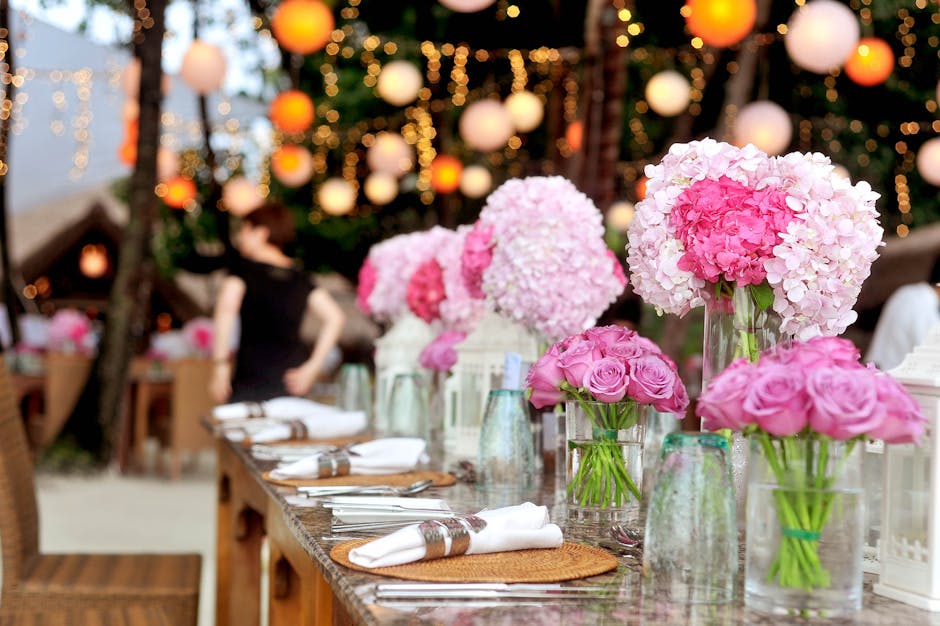
Local venues around Belmont Park tend to reward thoughtful floral planning. They are often versatile spaces, but that flexibility means the flowers have to do some of the heavy lifting. A blank ceremony room, a modest entrance, or a dining space with mixed lighting can feel completely different once the right arrangements are in place. The opposite is true too: the wrong scale, colour palette, or installation can make a venue feel crowded, flat, or oddly disconnected from the rest of the day.
Flowers also matter because they bridge the gap between your ideas and the venue itself. You might love a wild garden look, but if the room is narrow and the tables are tightly spaced, a huge arrangement on every surface is going to get in the way. You may want soft, romantic pastels, yet the venue lighting might wash them out unless you include a few deeper tones. This is where local know-how helps. A florist who understands how Belmont Park venues are typically laid out can make better recommendations from the start.
There is also the practical side. Weddings run on timing, and flowers are one of the most timing-sensitive elements in the whole plan. They need to arrive fresh, be moved safely, fit the venue schedule, and work in the temperature and light conditions on the day. That sounds obvious, but in real life, it is often where the pressure shows up. The more clearly you plan the florals, the calmer the wedding morning feels. Simple as that.
Expert summary: the best wedding flowers for local Belmont Park venues are the ones that match the space, support the schedule, and look beautiful from the ceremony through to the last toast. Design first, logistics second, and never the other way round.
How Belmont Park wedding flowers guide for local venues Works
At its core, the process is about matching three things: your style, your venue, and the practical conditions on the day. A good florist will usually start with the venue layout, then build the floral plan around the parts people will actually see and use. Entrance area. Ceremony backdrop. Aisle. Top table or dining tables. Bouquet and buttonholes. That sequence matters more than most people realise.
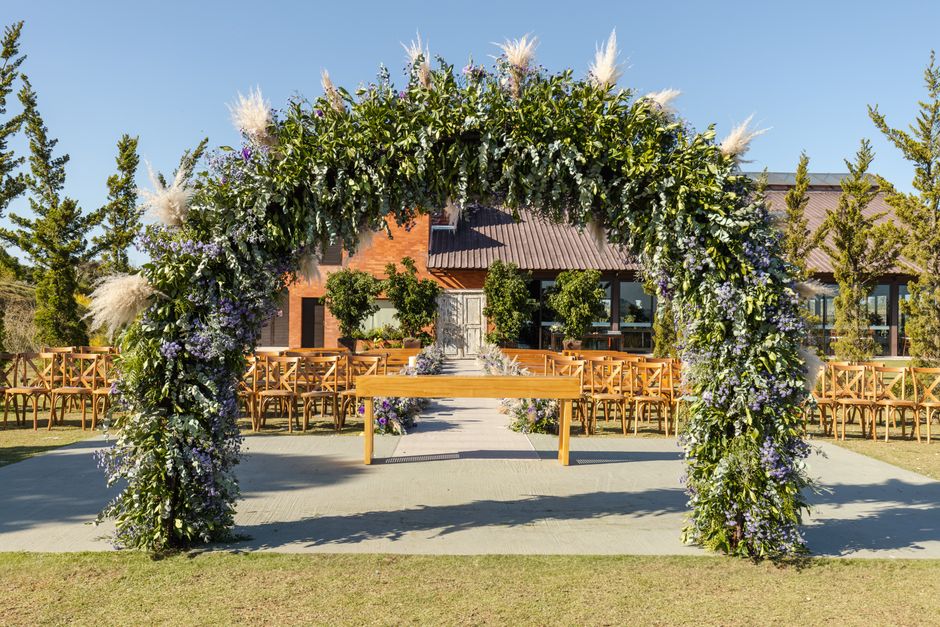
The process usually begins with a discussion of the wedding setting. Is it an intimate local venue with one main room? Is it a venue with a separate ceremony space and reception room? Is there outdoor access, a conservatory, low ceilings, natural light, or a lot of mirrored surfaces? These details affect everything from stem choice to arrangement height. For example, tall arrangements can look dramatic in a ballroom-style room, but they can feel awkward in a tighter venue where guests need sightlines across the tables.
Then comes the styling choice. Some couples want classic white and green. Others want colour, movement, and a looser seasonal feel. There is no one right answer. What matters is consistency. If the bouquets are airy and romantic, the table flowers should echo that mood rather than feel like a different wedding altogether. That kind of thread is what makes a design feel considered rather than assembled.
Finally, the logistics are locked in. Delivery timing, setup access, venue restrictions, any need for moving arrangements between spaces, and how long flowers can last without water all need thinking through. A beautiful design is only half the job. The other half is getting it onto the tables, stands, arches, and buttonholes in one piece, without a small panic halfway through the bridal prep room. It happens more often than people admit.
Key Benefits and Practical Advantages
The strongest benefit of planning wedding flowers around local venues is control. You are not guessing how the flowers will behave in the space. You are designing for it. That gives you better visual balance, better value for money, and fewer unpleasant surprises on the day.
Here are the main advantages:
- Better proportion: arrangements can be sized to suit the room instead of overpowering it.
- Clearer style: the florals reinforce the look of the venue rather than competing with it.
- Less waste: you can focus spend on the areas that have the biggest impact.
- Smoother logistics: delivery, installation, and turnaround times can be planned around the venue flow.
- Stronger photography: flowers frame the ceremony and tables beautifully, which matters more than you think.
There is also a less obvious benefit: decision fatigue drops. Once you know which arrangements go where, and why, the whole thing feels easier. You can stop second-guessing every little vase and instead focus on the feel of the day. That's a relief in itself.
For local couples, there is often another practical advantage too. You can choose a florist who can actually visit the venue, check access points, and make sensible recommendations. That local familiarity tends to lead to better results than trying to force a one-size-fits-all package into a particular room.
Who This Is For and When It Makes Sense
This guide is for couples planning a wedding near Belmont Park who want flowers that feel intentional, not just decorative. It is especially useful if you are choosing between a few local venues, working within a defined budget, or trying to balance elegance with practicality. It is also helpful if you are not yet sure what style suits your venue. Honestly, that is more common than people admit.
It makes sense to think about venue flowers early if:
- your venue has a distinctive layout or awkward corners
- you need the flowers to work for both ceremony and reception
- you are unsure whether to go with statement pieces or smaller arrangements
- you want a seasonal look that still feels polished
- you need to coordinate bouquets, table flowers, buttonholes, and possibly corsages
It also makes sense for couples who are trying to be careful with budget. Good flower planning is not about spending more. It is about spending wisely. A few strong focal pieces can have more impact than lots of small items spread thinly across the venue. To be fair, that is often the case with wedding decor in general, not just flowers.
If you are a venue coordinator, planner, or a family member helping to organise the day, this guide helps you avoid the classic "we'll sort it later" trap. Flowers are one of those details that become urgent very quickly.
Step-by-Step Guidance
Here is a clear way to plan wedding flowers for Belmont Park venues without getting lost in too many choices.
- Start with the venue layout. Walk through the room and identify the key visual points: entrance, ceremony focal point, table areas, staircase, mantel, registrar table, or any feature wall.
- Decide the mood. Do you want classic, romantic, modern, garden-inspired, seasonal, or luxe? The mood should come before the exact blooms.
- Choose a core colour palette. Build around two or three main colours, then add neutrals or foliage to soften the look.
- Pick the priority arrangements. Most couples should prioritise bouquet, ceremony flowers, and table flowers before adding extras.
- Match the scale to the room. Large rooms can carry taller statement designs; smaller venues usually look better with lower, layered arrangements.
- Confirm practical details. Check delivery times, access, set-up windows, and whether arrangements need moving from one area to another.
- Plan the wedding party flowers together. Keep bridal bouquet, bridesmaid bouquets, buttonholes, and corsages visually linked so the whole wedding feels cohesive.
- Review the final list against budget. If needed, simplify rather than dilute. One excellent arrangement often beats three mediocre ones.
A simple example: if your ceremony room is fairly plain, you might choose one strong focal arrangement behind the couple, a bouquet that ties in with it, and modest table flowers for the reception. That can look far more elegant than trying to put flowers everywhere. Less can genuinely be more, even though everyone says that and then secretly wants more. Fair enough.
How to think about room-by-room styling
It helps to break the venue into zones. Ceremony areas need clarity and focus. Dining areas need comfortable sightlines and enough space for conversation. Entrance areas need a quick visual impact. This is why the same flowers may work brilliantly in one part of a venue and not in another. You are not decorating a house; you are shaping a sequence of moments.
Expert Tips for Better Results
Small choices make a big difference. A few practical tips can move your flowers from nice to genuinely memorable.
- Choose flowers that suit the season. Seasonal stems usually look fresher, feel more natural, and are often easier to source consistently.
- Use foliage with purpose. Greenery is not just filler. It helps frame blooms, soften lines, and add movement.
- Think about candlelight and room lighting. In warm evening light, soft whites and blush tones can glow beautifully. In bright daylight, deeper colours may need balancing.
- Keep one strong theme running through the day. The bridal bouquet, table pieces, and buttonholes should feel like they belong together.
- Ask about mechanics. If an arrangement needs to sit on a pedestal, arch, or long table, the florist should explain how it will be secured and how long it will stay fresh.
- Allow for transport and timing. Delicate flowers do not love being crammed into a hot car. Not really surprising, but worth saying.
One useful rule of thumb: if you are torn between two flower styles, think about the room rather than the mood board. The venue will tell you which direction is likely to work best. A bright, airy room with simple architecture can handle softer florals. A darker or more ornate venue may need bolder shapes and deeper contrast.
And please, if you are choosing statement flowers, make sure someone can still see over the table. Romance is lovely. Blocking eye contact during dinner is less lovely.
Common Mistakes to Avoid
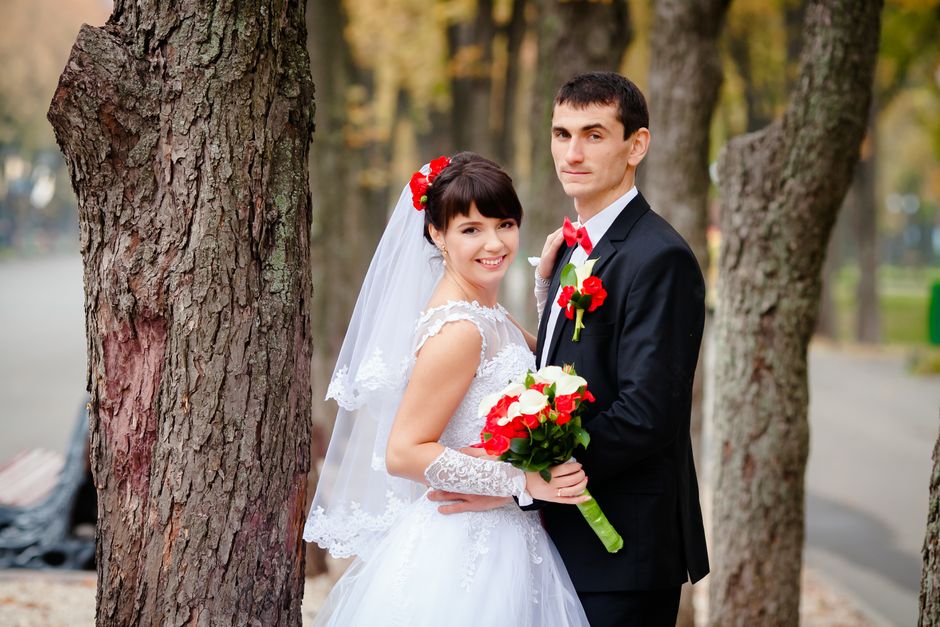
Most wedding flower problems are not dramatic disasters. They are smaller mismatches that add up. The bouquet is beautiful but too heavy. The table flowers are lovely but too tall. The ceremony flowers look perfect on their own, but they do not relate to the rest of the room. Little things, but they matter.
- Ignoring the venue scale: what looks generous on a sample image can look tiny in a large room, or overwhelming in a small one.
- Choosing too many colours: too much variety can make the whole scheme feel busy rather than elegant.
- Forgetting the wedding party flowers: bouquets, buttonholes, and corsages should not feel like separate orders from separate weddings.
- Leaving setup details vague: if no one has confirmed access, timing, or placement, the day can become unnecessarily tense.
- Spreading the budget too thinly: a little here and there often creates a weaker effect than concentrating spend on key areas.
- Assuming every flower lasts equally well: some blooms are more delicate than others, especially in warm rooms or long days.
A common one is asking for a design based purely on a colour name. "Dusky pink" can mean three different things to three different people. It helps to talk about texture, shape, and overall feeling as well. That extra minute saves a lot of confusion later.
Tools, Resources and Recommendations
You do not need a complicated toolkit to plan wedding flowers well, but a few simple resources help you stay organised.
- Venue floor plan or room sketch: even a rough hand-drawn version helps you think through placement.
- Inspiration photos: gather examples that show shape and scale, not just colour.
- Guest count and table plan: these affect the number and size of arrangements needed.
- Timeline for the day: useful for delivery windows, setup, and any room changes.
- Budget split: decide where you want the floral focus to be before you book anything.
If you are still deciding what kind of wedding flowers suit your style, a browse through wedding collections can help you compare looks and see how different arrangements work together. For bridal party details, the dedicated ranges for bridal bouquets, bridesmaid bouquets, buttonholes, and table arrangements are useful starting points.
If you want something especially cohesive, consider a curated set such as the I Cherish You wedding collection or the True Happiness wedding collection. These can be handy when you want the ceremony and reception to feel visually connected without having to build every component from scratch.
For couples who prefer a more classic floral language, roses, lisianthus, orchids, lilies, and hydrangeas often appear in wedding designs because they photograph well and adapt to different styles. The best choice depends on season, palette, and how formal you want the day to feel. No need to overcomplicate it.
Law, Compliance, Standards, or Best Practice
Wedding floristry is not heavily regulated in the way some industries are, but there are still sensible standards and good practice points to keep in mind. If your venue has house rules about access times, open flames, adhesives, hanging displays, or protecting surfaces, those should be followed carefully. Venues can differ quite a bit on this, especially in older buildings or spaces with delicate interiors.
From a practical perspective, the florist should be clear about what is included in the service, how delivery is handled, whether setup is part of the price, and what happens if substitutions are needed. In the UK, it is normal to expect transparent terms around payment, timing, and changes. If anything is unclear, ask before you confirm. That applies to flowers as much as anything else.
There is also a best practice angle around product care. Fresh flowers need appropriate storage, clean water where relevant, and careful handling before delivery. If arrangements are moving from one room to another, they should be planned so the transition is safe and simple. A good florist will think about freshness, stability, and presentation together, not as separate jobs.
For your own peace of mind, make sure the final plan is written down clearly. A short order summary with item names, quantities, colours, and delivery notes prevents misunderstandings. It is boring, yes. Also very useful.
Options, Methods, or Comparison Table
Different venues and budgets call for different floral strategies. Here is a simple comparison to help you think it through.
| Approach | Best for | Strengths | Things to watch |
|---|---|---|---|
| Statement focal pieces | Rooms that need one strong visual anchor | High impact, good for photos, efficient use of budget | Can feel sparse if not balanced with smaller pieces |
| Distributed table florals | Reception spaces with many guest tables | Creates consistency across the room, works well for dining | Easy to underwhelm if arrangements are too small |
| All-in wedding package | Couples who want a simple planning route | Streamlined, coordinated, less decision-making | May need adjustment to suit the venue perfectly |
| Mix of bespoke and ready-made pieces | Couples balancing style and value | Flexible, practical, usually easier to tailor | Needs careful coordination so the look stays cohesive |
In many Belmont Park venues, a hybrid method works best. That means one or two focal pieces where they matter most, then simpler supporting arrangements for tables, the ceremony area, and the wedding party. It is often the sweet spot between impact and value.
Case Study or Real-World Example
Imagine a couple planning a spring wedding in a local Belmont Park venue with one ceremony room and one reception space. They start with a broad idea: soft whites, pale pink, and a little greenery. Nice enough, but still vague. After looking at the room, it becomes clear the ceremony area has clean lines and plenty of natural light, while the reception room is more intimate with lower ceilings.
Instead of ordering identical flowers for everything, they build the plan around the venue's strengths. The ceremony gets one stronger focal arrangement and a simple bouquet that stands out against the plain backdrop. The reception tables use lower arrangements in coordinating tones so guests can talk easily across the table. The bridesmaid bouquets are a little smaller and lighter in shape, and the buttonholes repeat the green-and-white detail to keep the style unified.
The result is not overdone. It feels calm, balanced, and deliberately chosen. Guests notice the flowers without feeling like they are in a showroom. That balance is often what people want, even if they do not say it in exactly those words.
The best part? The couple did not try to make every corner of the venue "do something." They focused on a few important moments and let the rest breathe. That is often the difference between nice flowers and flowers that genuinely support the day.
Practical Checklist
Use this simple checklist before you confirm your wedding flower plan.
- Have you walked through the venue layout and identified the key floral spaces?
- Have you chosen a colour palette that suits the room and the season?
- Do the bridal bouquet, bridesmaid bouquets, and buttonholes work together?
- Have you decided where the strongest visual impact should go?
- Are the table arrangements sized so guests can still talk comfortably?
- Has delivery timing been matched to the venue schedule?
- Do you know whether any arrangements need to be moved from ceremony to reception?
- Have you confirmed what the venue allows in terms of setup and display?
- Is the budget concentrated on the right priority pieces?
- Have you got the final floral order in writing?
If you can tick most of those off, you are in good shape. If a couple are still unclear, that is normal. Sort them before the week of the wedding if you can. Future-you will be very grateful.
Conclusion
Planning flowers for a Belmont Park wedding venue is really about shaping the atmosphere of the day. The best results come from matching the venue, the style, and the practical realities of the event rather than chasing a look that only works in photos. When you get that balance right, the flowers feel effortless. Guests notice the beauty, but not the stress behind it.
Think in terms of rooms, flow, and focus points. Keep the palette coherent. Give the budget to the places that matter most. And if you are unsure, simplify rather than overfill. That tends to be the wiser choice more often than not.
At the end of the day, wedding flowers should help the day feel like yours. Warm, calm, beautiful, and just a little special in that quiet way people remember later. That is the real goal.
Get a free quote today and see how much you can save.
Frequently Asked Questions
What flowers work best for Belmont Park wedding venues?
The best flowers depend on the venue size, lighting, and season, but roses, lisianthus, orchids, hydrangeas, and mixed seasonal arrangements are often popular because they adapt well to different settings. The right choice is the one that suits both the room and your overall style.
How far in advance should I book wedding flowers?
As early as you can, especially if your wedding falls in a busy season. Booking early gives you more choice, more time to refine the design, and fewer last-minute compromises. Even if you are not ready with every detail, an early conversation is still worth having.
How many floral arrangements do I need for a local venue?
That depends on the venue layout and how decorative the space already is. A smaller venue may only need a bouquet, buttonholes, and a few focal arrangements, while a larger room may benefit from additional table flowers or a ceremony piece. Start with the key spaces first.
Do I need separate flowers for the ceremony and reception?
Not always. Some couples reuse ceremony flowers at the reception, which can be a sensible way to stretch the budget. Just make sure the logistics work and the flowers can safely be moved without damage.
How do I choose colours that suit the venue?
Look at the room's walls, flooring, natural light, and overall style. Soft tones can feel lovely in bright rooms, while richer colours can help warm up a more neutral space. If in doubt, choose a palette with one main colour and a couple of supporting tones.
What is the most cost-effective wedding flower approach?
Usually, it is focusing on a few high-impact pieces rather than trying to fill every surface. Statement arrangements at key points, paired with simpler supporting florals, often give better results than spreading the budget too thinly.
Can I use ready-made wedding flower collections?
Yes, and for many couples they are a very practical option. Collections can save time and keep the look consistent. They are especially helpful if you want a coordinated bridal bouquet, bridesmaid bouquet, and buttonholes without designing everything from scratch.
How do I make sure flowers match my wedding style?
Use the style of the venue, your dress, and your overall decor as the guide. Share inspiration photos that show shape and mood, not just colour. That usually leads to a more accurate brief and better final results.
What if my venue has restrictions on decor?
Then the flower plan needs to work within those rules. Many venues have sensible limits around candles, attachments, or access times. A florist who understands venue work will usually have a few alternatives ready, so nothing feels forced.
Are buttonholes and corsages really necessary?
Not necessary, but they do help the wedding party feel coordinated. A well-chosen buttonhole or corsage can quietly pull the whole look together. It is one of those details people notice without always realising why.
What should I bring to my florist consultation?
Bring venue details, date, guest count, table plan if you have one, and any inspiration images you love. It also helps to know your budget range and whether you want a full wedding package or just a few key pieces.
Can flowers be delivered and set up on the same day?
Yes, that is common for weddings, but it needs careful timing. The delivery window should fit the venue schedule, and the florist should know exactly where each arrangement goes. That way, setup feels calm instead of rushed.
How do I avoid wedding flowers looking too busy?
Keep the palette focused, repeat the same flower family or textures across the day, and avoid cramming too many different ideas into one room. A clean, considered design nearly always feels more elegant than a cluttered one.